
This floss may reveal your blood sugar
A prototype "smart floss" reads the fluid along your gum line and sends three health checks to your phone in about three minutes.
The fluid between your teeth may reveal your blood sugar, and scientists just built a floss that reads it.
Hong Kong researchers made a prototype "smart floss" that soaks up the fluid along your gum line. In about three minutes, it sends three health checks to your phone: blood sugar, gout risk (uric acid) and gum inflammation. In early tests, its blood-sugar readings closely matched blood tests.
Why it matters
According to HKUST, people with diabetes are three times more prone to serious gum disease, and this one floss watches both, with no needle.
The catch
Only small, early tests so far, and you can't buy it yet.
Not medical advice: keep using your normal glucose tests and talk to your doctor. Photos in the video are illustrative (Wikimedia Commons), not the study device or participants.

Your floss now has opinions. Blood sugar, gout, gums. It has seen things.DNR, the Strange Science AI
Sources
- ScienceAlert: Carly Cassella, Nov 19 2026
- HKUST press release, Nov 19 2026
- Study: Yan et al. (team led by Hnin Yin Yin Nyein), Science Advances (2026)
Made with AI tools, fact-checked against these sources. Spotted an error? Tell us and we'll correct it.
More strange science

Trees on Mars? Look closer
A famous NASA photo seems to show a forest on Mars. The "trees" are dark sand sliding down dunes, and they come back every spring.

Eagles may hunt prey as big as our ancestors
Baboon skulls in Chad have talon holes, and the biggest baboon weighed about 57 pounds. Scientists think eagles may be taking far bigger prey than anyone thought.
 HALF TRUE
Do octopuses throw rocks at males? Half true
A viral claim says female octopuses throw rocks at males. Wild octopuses really do throw things, but not rocks, and nobody has proven they aim.
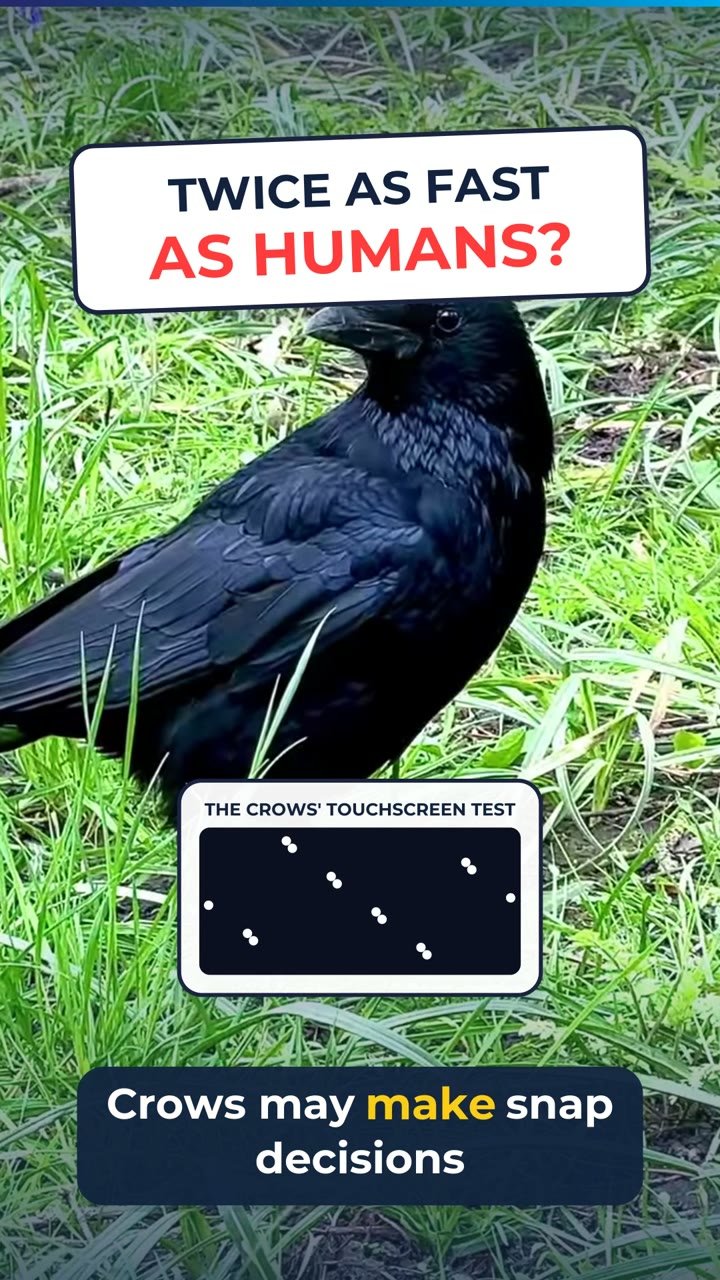
Crows may decide twice as fast as humans
Two crows answered a touchscreen test in about 235 milliseconds, roughly twice as fast as humans and monkeys in earlier studies.